

When you walk into a beautifully styled home, every detail feels intentional—the colors complement the furniture, the lighting sets the mood, and even the smallest accessories seem to belong perfectly. That magic touch often comes from an interior decorator. But what exactly does an interior decorator do, and how do they transform a house into a home? Let’s break it down.
The Role of an Interior Decorator
An interior decorator focuses on enhancing the aesthetics of a space. Unlike interior designers, who may work with structural changes, decorators concentrate on the finishing touches that define a home’s style and personality. Their goal is to make a space beautiful, harmonious, and aligned with the client’s lifestyle.
Key Responsibilities of an Interior Decorator
1. Choosing Color Schemes
One of the first steps in decoration is establishing a color palette. Interior decorators understand how tones influence mood and style, helping clients decide between calming neutrals, bold accents, or tropical hues that reflect Miami’s vibrant energy. For example, one of the most popular decoration styles in Miami is Coastal Beach.
2. Identify the changes to be made
Decorators guide clients in choosing furniture pieces that are both functional and stylish. They also determine the best layout to maximize comfort and flow within the space.
At Palette Interior Design, we plan the changes to be made based on your interests, budget, and objectives, which allows us to create a rendering that we will show you before confirming the renovation so that you can see what the finished space will look like.


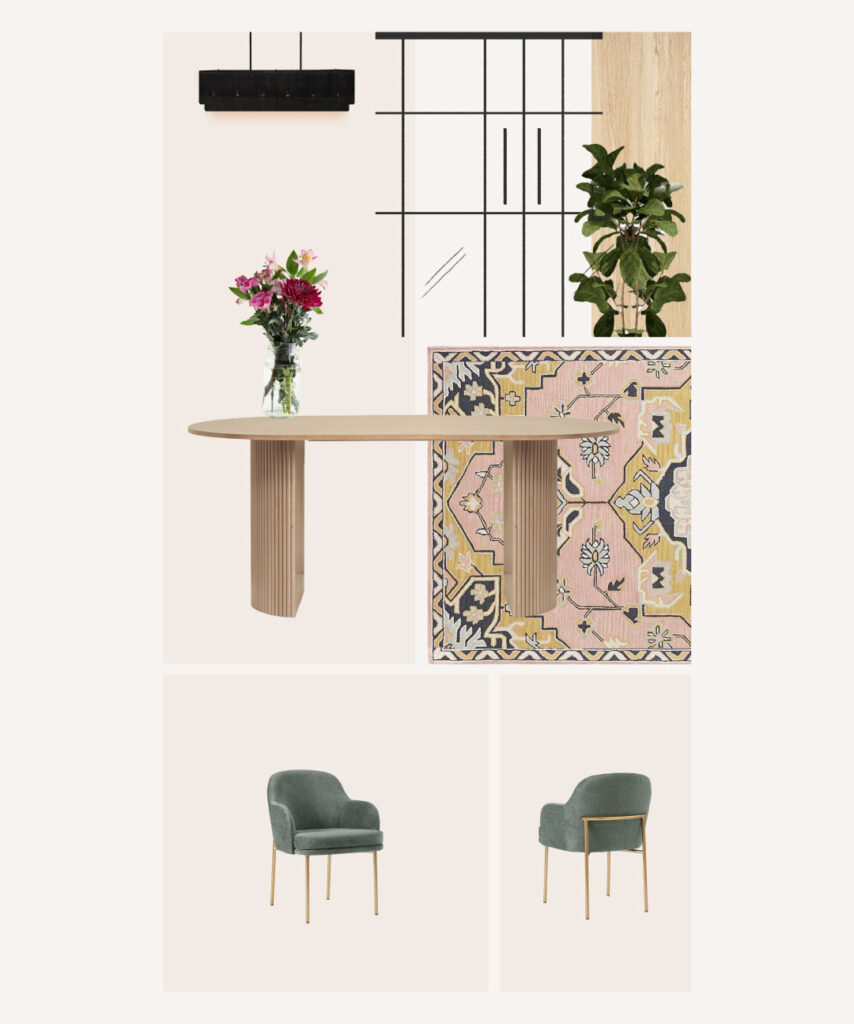
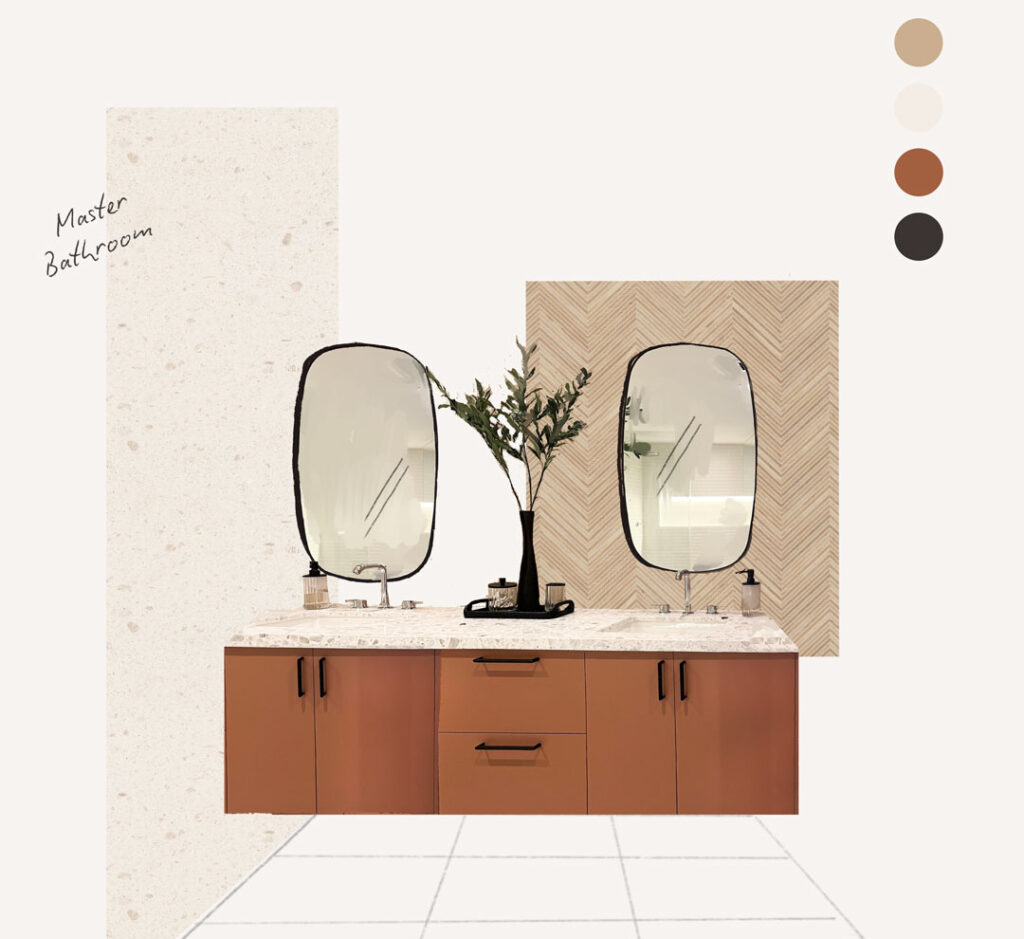
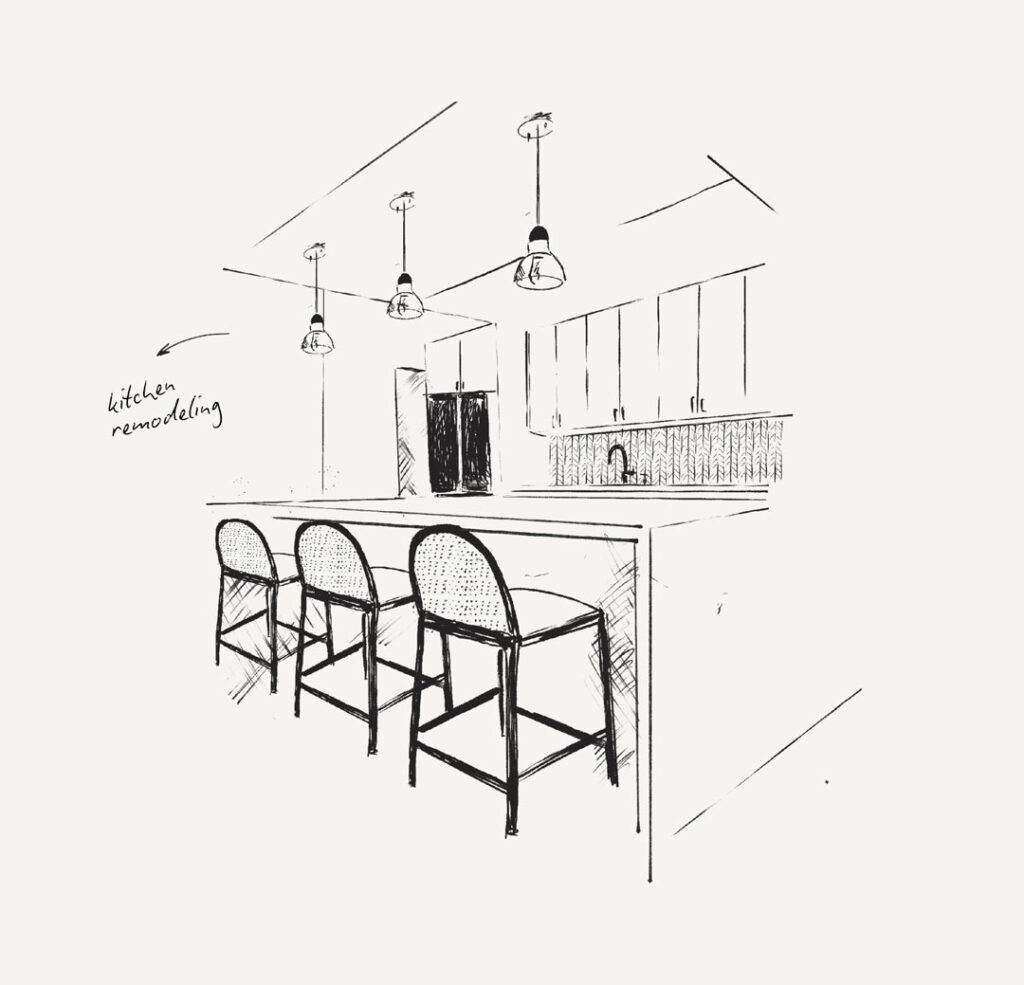
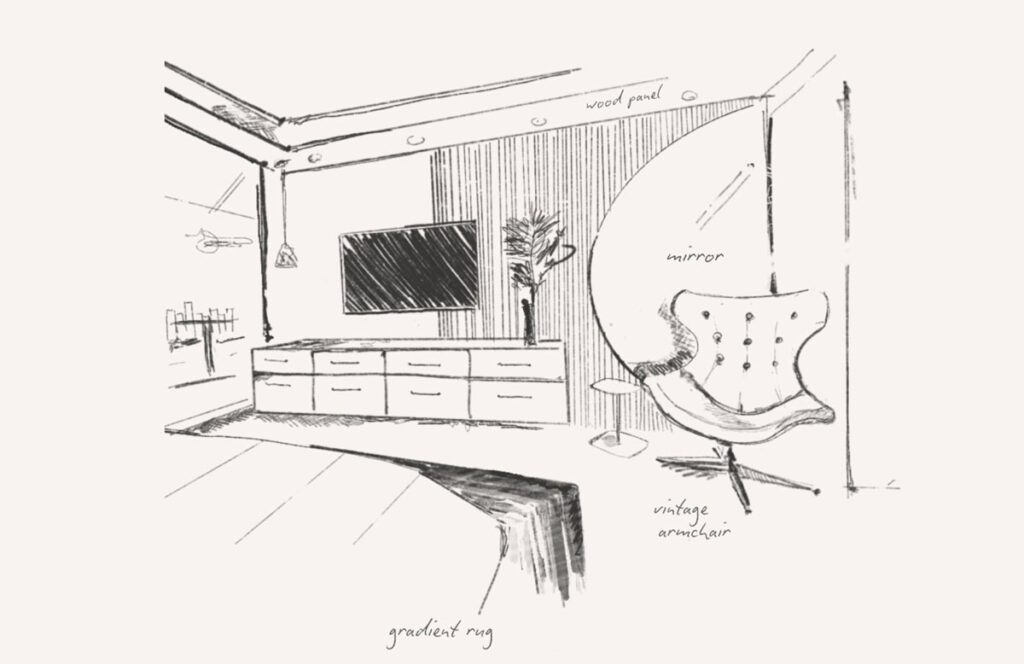
Additionally, Interior Decorator defines textile and fabrics you can use. From curtains and rugs to upholstery and cushions, decorators layer textures and fabrics that enhance the atmosphere and bring warmth to a room.
Decorators know how to make a space feel “complete” with artwork, lighting fixtures, decorative objects, and plants. These details may seem small, but they have a big impact.
3. Creating a Cohesive Theme
Perhaps the most important responsibility of an interior decorator is ensuring that every element in a space feels intentional and connected. A cohesive theme doesn’t mean every room looks the same—it means the entire home flows naturally, with a consistent aesthetic that reflects the homeowner’s taste. Decorators achieve this by weaving together elements such as color palettes, furniture styles, textiles, and accessories into a unified vision.
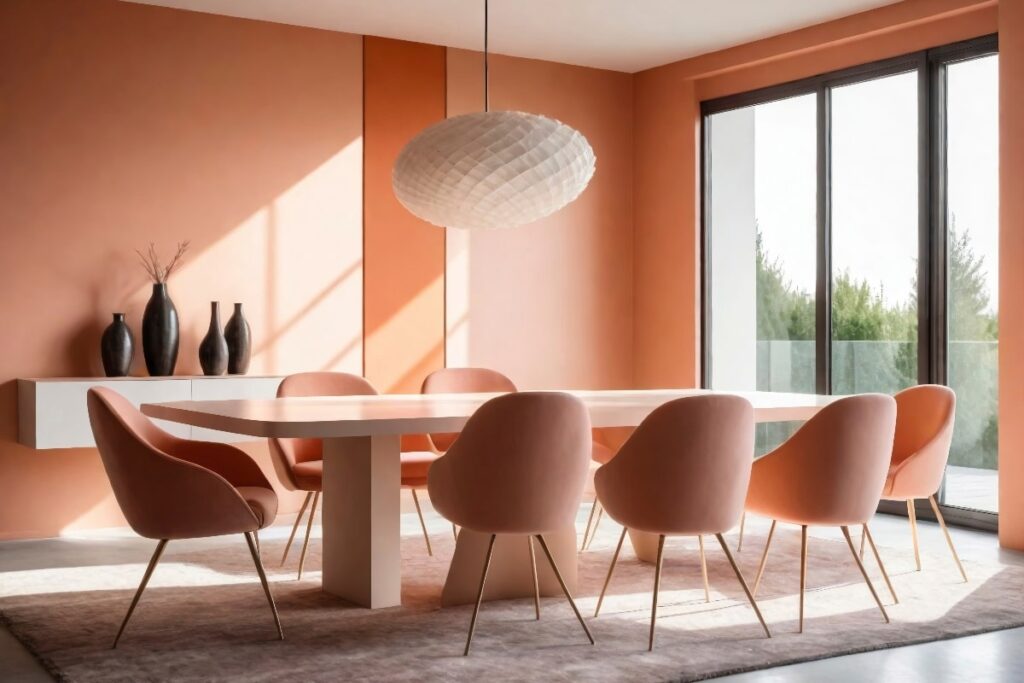

They also consider the architecture of the home, ensuring the décor complements rather than competes with structural details. For instance, a modern high-rise in Miami may benefit from sleek, contemporary décor, while a historic Coral Gables home might shine with classic, timeless elements. Cohesion also extends to functionality: decorators ensure the home is not only visually pleasing but also practical for daily living. By blending beauty and usability, they create spaces that feel authentic, inviting, and harmonious—where every detail has a purpose, and nothing feels out of place.
4. Hiring Specialists for Renovations
While interior decorators are not typically responsible for large-scale structural work, they often play a key role in recommending and coordinating with specialized contractors when a project requires upgrades. At Palette Interior Design, we take care of establishing the link with contractors so that you don’t have to worry about it.
For example, if a new lighting system needs to be installed, if custom cabinetry must be built, or if flooring needs to be replaced, decorators connect clients with trusted professionals who can carry out the work. This ensures that the technical aspects of the project align with the overall design vision. Many decorators in Miami have a network of skilled tradespeople—painters, upholsterers, carpenters, and electricians—that they rely on for seamless execution.

Having a decorator oversee or advise on this process also minimizes the risk of costly mistakes, as every choice is made with the final aesthetic in mind. In this way, decorators act as both creative directors and project coordinators, making sure that every specialist contributes to the cohesive look of the finished space.
5. Reviewing Final Details Before Project Delivery
The finishing stage of a decorating project is often where the magic truly happens. Interior decorators meticulously evaluate every corner of the space to ensure nothing is overlooked before handing it over to the client.
This includes checking that furniture placement feels balanced, verifying that colors and textures blend as intended, and ensuring that accessories are styled to create a polished look. Even small adjustments—like repositioning a lamp for better light, swapping out decorative cushions, or adjusting art placement—can dramatically enhance the overall result.
In Miami homes, decorators also pay attention to how natural light interacts with the space throughout the day, making final tweaks for optimal ambiance. This stage is not just about aesthetics; it’s about guaranteeing that the space reflects the client’s vision and feels ready to be lived in.
By obsessing over the details, interior decorators transform a design project into a finished home that feels complete and harmonious.
An interior decorator’s work goes far beyond simply choosing pretty furniture. They create balance, style, and atmosphere—turning houses into homes that reflect individuality and taste.
If you’re looking to elevate your Miami home with professional guidance, Palette Interior Design offers the experience and creativity to bring your dream space to life.