
When it comes to interior design, space planning is one of the most powerful tools you can use to transform your home. It’s not just about moving furniture around—it’s about creating a thoughtful layout that matches your lifestyle, your aesthetic preferences, and the natural flow of your space. Whether you’re refreshing a single room or rethinking your entire home, a smart space plan ensures that every inch is both beautiful and functional.
At Palette Interior Design, we believe that good design begins with a clear vision—and that vision starts with space planning. If you’re wondering how to space plan for your own home, you’re in the right place. In this guide, we’ll walk you through the essential steps to get started and share the key considerations that can make your home feel uniquely yours.
Steps for Space Planning
1. Identify Which Areas You Want to Improve
The first step in space planning is knowing where to focus your energy. Are you dreaming of a more functional kitchen? A cozier living room? A more serene bedroom? Pinpointing the rooms you want to improve helps guide your planning process from the very beginning.
For room-by-room tips and inspiration, check out our article on how to renovate your space with style.
2. Define Your Budget
Once you’ve chosen your spaces, it’s time to set a budget. Whether your project is large or small, having a clear financial framework will help you make smart decisions when choosing materials, furniture, and services. If you’re unsure how to set a realistic budget for your project, contact us and our experienced designers will be happy to assist you.
3. Understand Your Interior Design Style
Your space should reflect your personality. From minimalist and modern to rustic and bohemian, understanding your style is essential to creating a cohesive plan. Need help identifying your aesthetic? Take a look at our guide to interior design styles to find what resonates with you.
4. Plan the Changes You Want to Make
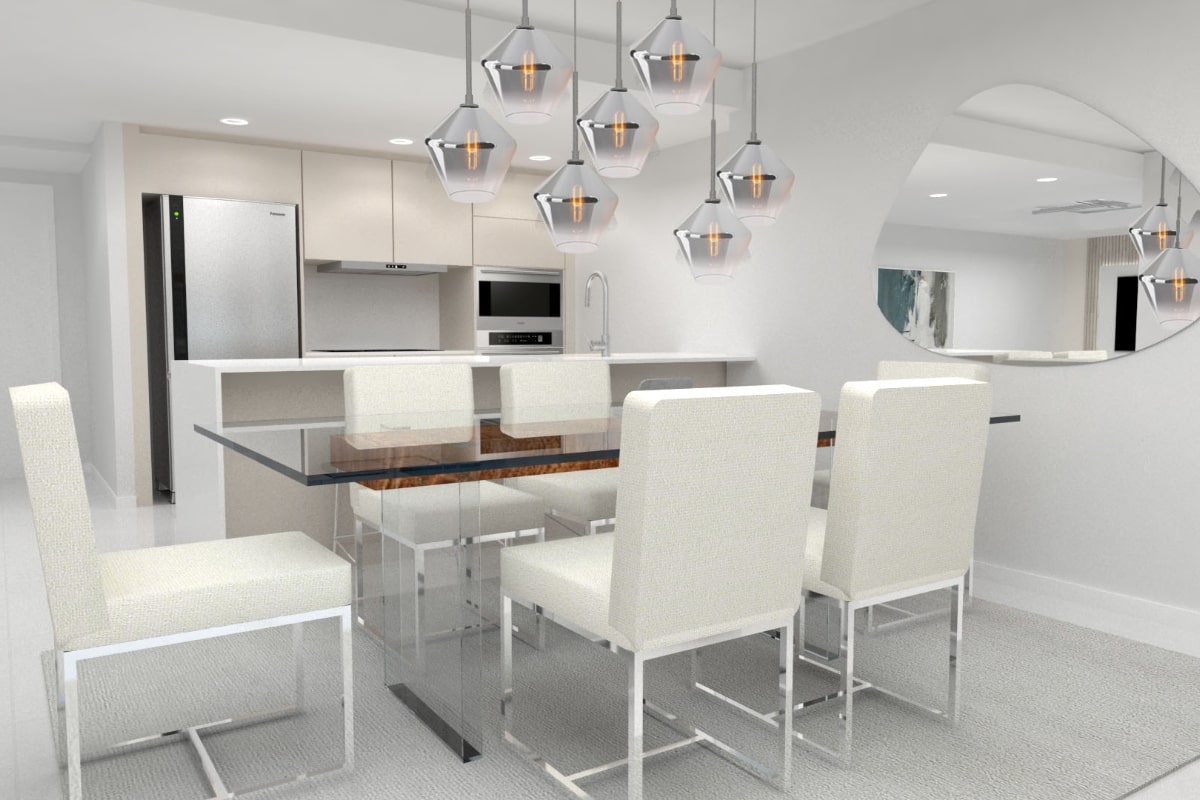
Now that you know where you’re working and how, it’s time to get into the details. Assess your current furniture and décor—what stays, what goes, and what needs to change? Consider using a digital render or layout tool to visualize your new setup. This step helps you understand spatial flow, optimize storage, and define the true needs of each room.
5. Implement the Changes
Once your plan is in place, it’s time to bring it to life. From sourcing the right pieces to coordinating with contractors, this phase requires time, vision, and attention to detail. Want a stress-free experience? The team at Palette Interior Design handles every stage of the interior design and renovation process so you can focus on enjoying your beautiful, renewed space.
Key Considerations
Before you begin your space planning journey, keep these key points in mind:
- Functionality is everything: Prioritize how the space will be used daily. A room that looks amazing but doesn’t support your lifestyle won’t feel right.
- Balance and flow: Maintain visual balance by considering proportions and the movement between rooms.
- Natural light: Let the light guide your layout. Use it to your advantage when positioning seating areas, workspaces, or reading nooks.
- Storage solutions: Think vertically, hidden, and multi-purpose—especially in smaller spaces.
- Future flexibility: Design with change in mind. A good plan should adapt to your needs as they evolve over time.